
ROTTERDAM GABBER.
STILL MOVING.
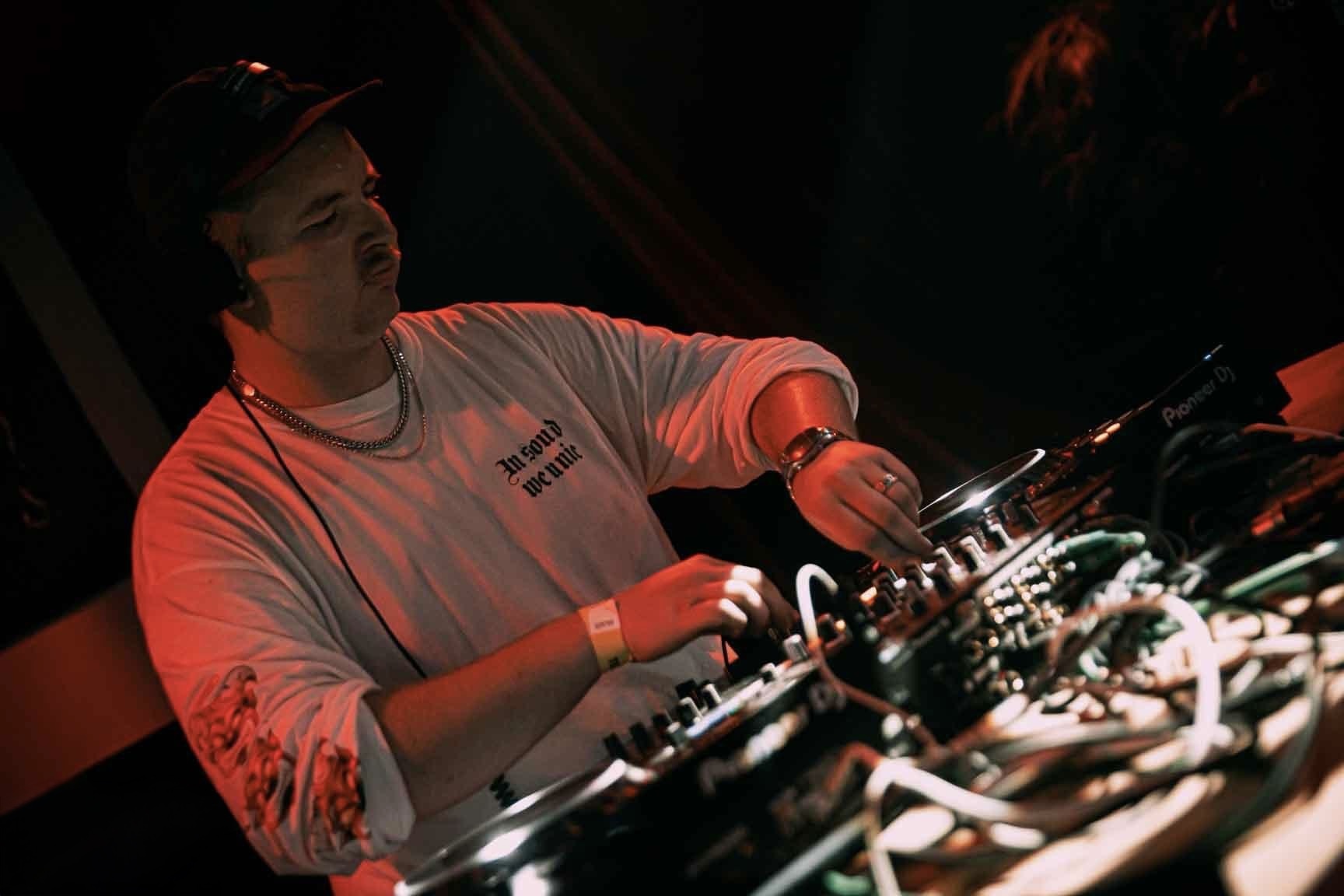
REEZA is the artist alias of Dennis van Rijswijk: a Rotterdam DJ and producer carrying the city’s early-hardcore instinct into the present.
BUILT IN ROTTERDAM.
Rotterdam gabber was never background music. Its force came from hard kicks, direct rhythm and a dancefloor that demanded total commitment. REEZA grew up inside that environment and started making music at twelve. That history now comes through in contemporary productions and vinyl-led DJ sets: fast, physical and raw, with space for the tension, samples and machine funk that made early hardcore hit so hard.
The aim is not to reproduce a museum version of the nineties. REEZA treats the original attitude as working material. Records meet new productions; old-school pressure meets current sound design. The result belongs on a club floor now while its Rotterdam roots remain audible.
THE SOUND ON WAX.
REEZA has released music through K.N.O.R., Mokum, Rave Instincts and Next-Gen Hardcore. Releases such as Astral Projection, Untitled and Take Control show the line from early-hardcore structure to present-day production. The official discography brings the catalogue together and links listeners to the available platforms.
Explore the discography ↗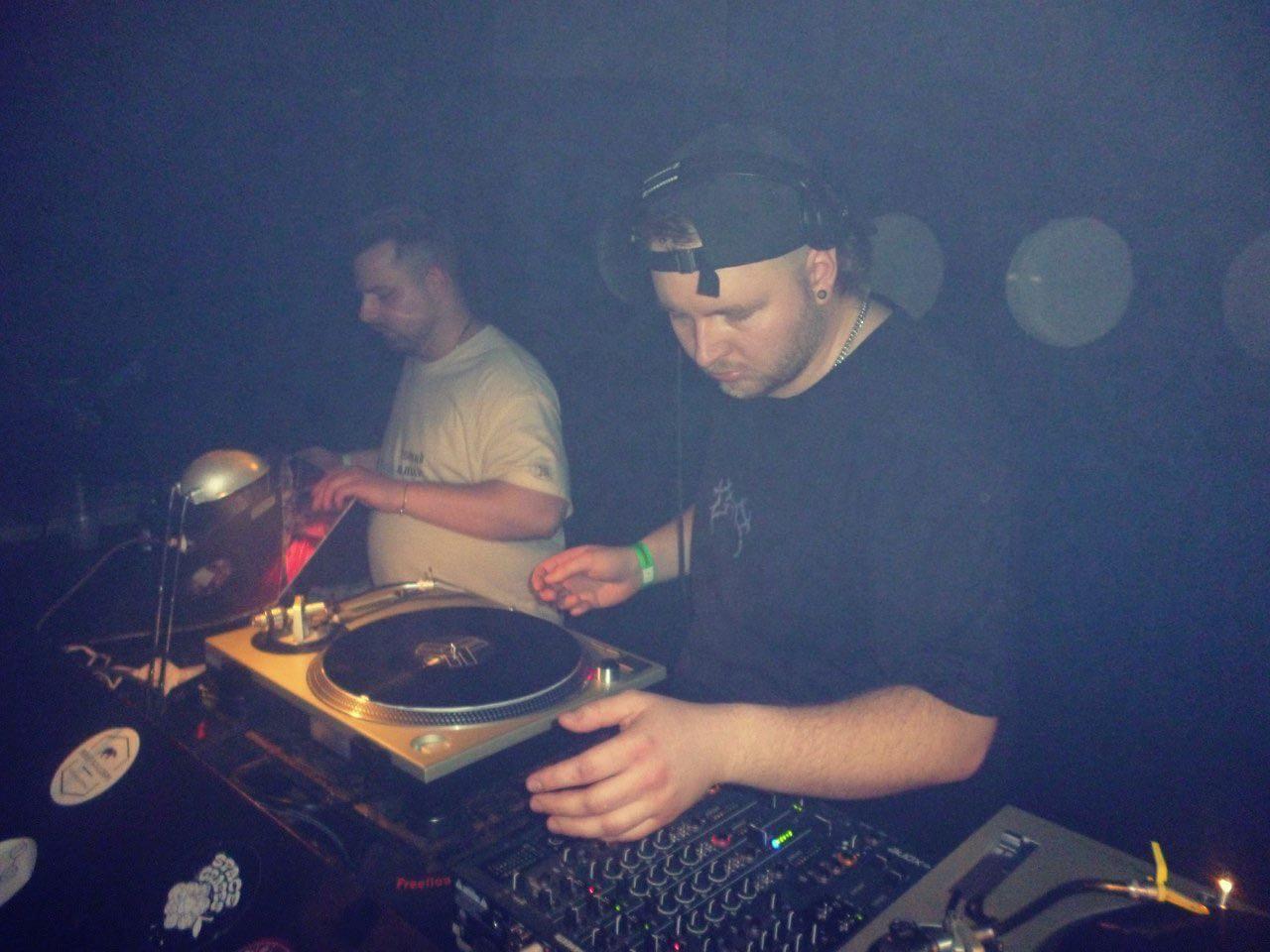
MADE FOR THE FLOOR.
That sound is built to move through a system and a crowd. REEZA’s selected appearances include Harmony of Hardcore, Titanium, Hellbound and Gabberland, alongside dancefloors outside the Netherlands. The sets stay connected to vinyl culture while moving freely across gabber and early hardcore.
Book REEZA ↗
THIRTY YEARS OF HERITAGE.
Dennis van Rijswijk co-directed Rotterdam Rave Culture: 30 Years of Heritage with Holly Dicker. The 45-minute documentary follows the city’s rave culture from the nineties to the post-pandemic present through archive material and interviews with DJs, organisers and ravers. Dennis also handled cinematography, editing, sound design and music.
That work and REEZA’s music come from the same position: Rotterdam rave culture is living culture. Its history matters because producers, dancers and organisers keep transforming it.